
Visitas a fábricas e feiras comerciais
Planeje visitas eficazes a fábricas de máquinas e reuniões em feiras na China usando pré-qualificação de fornecedores, agendas técnicas, checklists de fábrica e acompanhamento estruturado.
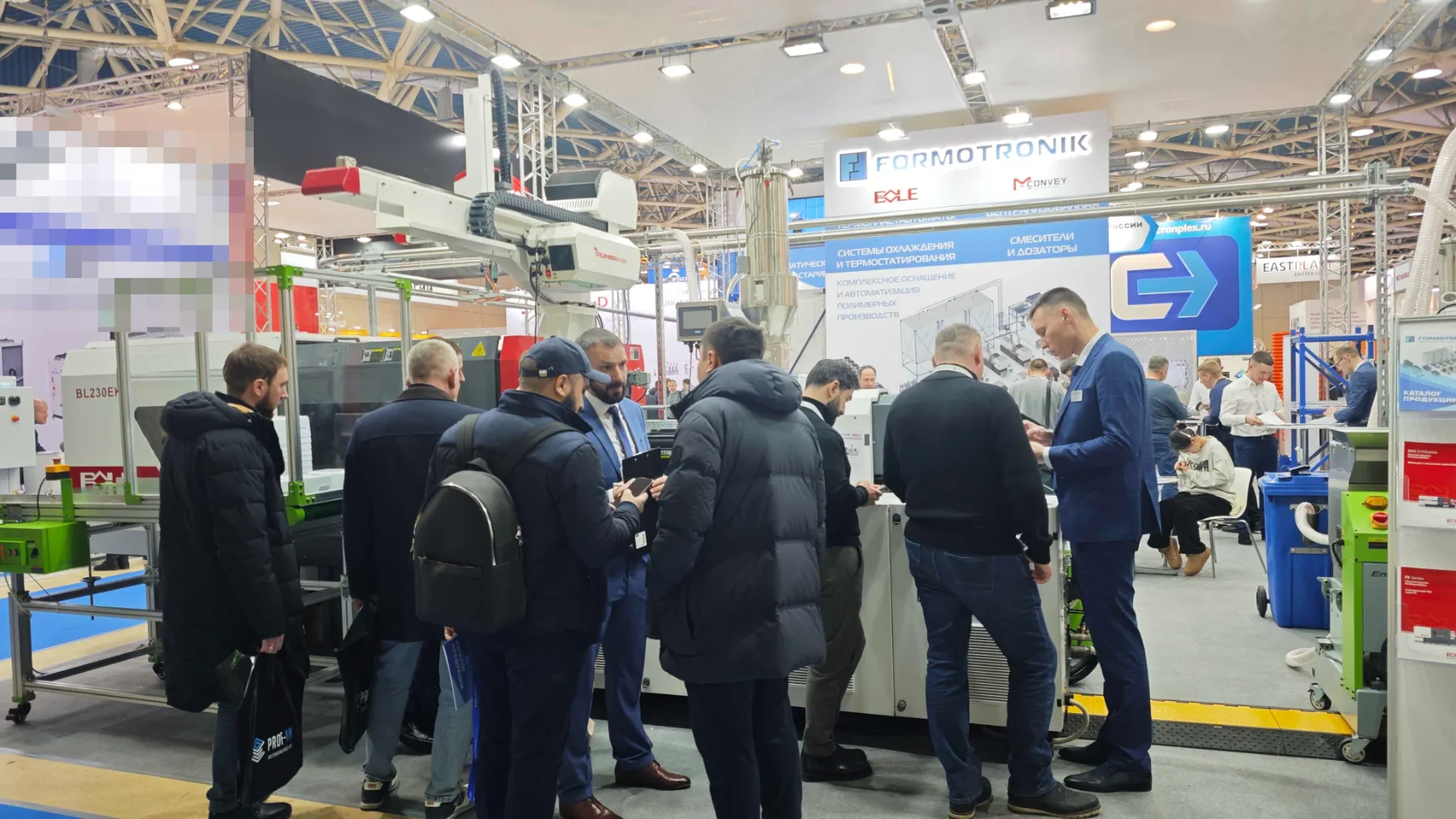

Factory visits and industrial trade fairs can compress months of remote communication into a focused sourcing trip. They allow buyers to compare suppliers, speak with engineers, observe machinery in production and understand the industrial ecosystem around a category.
Travel alone does not reduce risk. A scheduled tour can be carefully presented, and an impressive exhibition booth can belong to a trader, assembler or manufacturer. The value comes from preparation, technical questioning, evidence and disciplined follow-up.
Use this guide within the complete industrial machinery sourcing process and apply the detailed manufacturer verification framework to shortlisted companies.
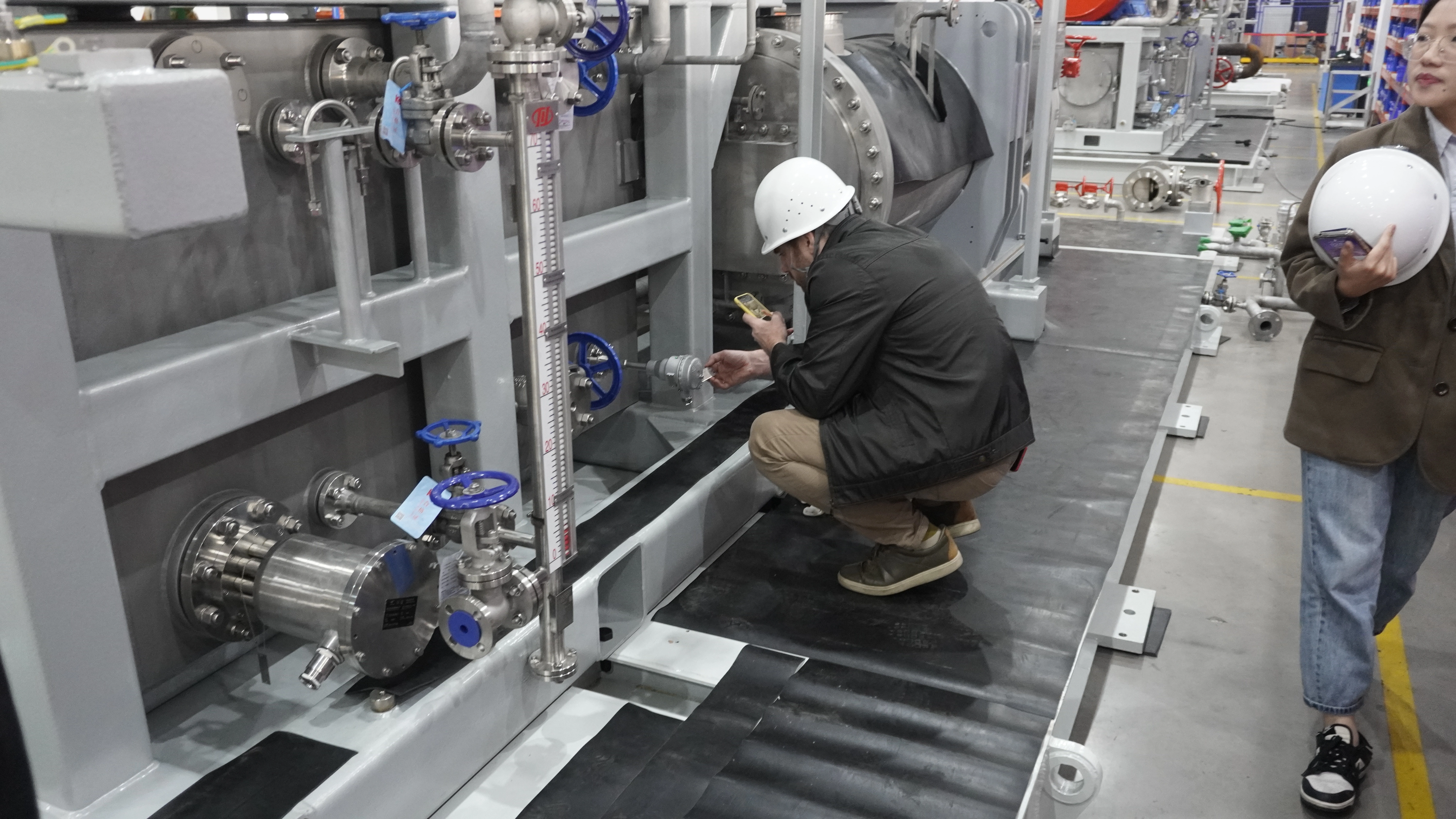
Factory visit or trade fair: which should come first?
The best sequence depends on the sourcing stage.
| Channel | Best use | Main limitation |
|---|---|---|
| Industrial trade fair | Rapid discovery, market mapping and initial product comparison | Booth presence does not prove factory capability |
| Shortlisted factory visit | Detailed capability, engineering and production assessment | Requires prior screening and more travel time |
| Remote live walkthrough | Early screening, clarification and follow-up | Limited physical access and independently controlled observation |
| Independent local visit | Evidence collection when the buyer cannot travel | Quality depends on inspector competence and scope |
A trade fair can create the longlist, remote screening can reduce it, and factory visits can support final qualification.
Step 1: Define the trip objective
Decide whether the trip is for market research, supplier discovery, factory qualification, technical negotiation, FAT, relationship development or a combination. Each objective requires different people, documents and time.
Do not plan an itinerary around supplier hospitality. Plan it around decisions the project must make.
Step 2: Pre-qualify suppliers before scheduling visits
Request the Chinese legal name, business license, factory location, product scope, relevant cases and preliminary technical response. Eliminate companies that clearly cannot meet mandatory requirements.
Send the same industrial machinery RFQ before travel. Supplier responses will reveal which questions and evidence the visit must investigate.
- Chinese and English company names plus relevant legal entities
- Exact factory address and travel time
- Supplier role for the offered machine
- Preliminary technical offer and deviation list
- Processes claimed as internal and outsourced
- Comparable machines expected to be available
- Responsible sales, engineering, quality and management attendees
- Photography, confidentiality and safety restrictions
Step 3: Build a realistic itinerary
Allow time for transport, site entry, safety briefing, technical discussion, production walkthrough, evidence review and meeting summary. Rushed multi-factory days often produce superficial observations.
Group visits geographically only after technical priorities are established. Confirm addresses independently; a sales office, showroom and factory may be in different cities.
Step 4: Send a structured factory-visit agenda
- 1Company and project
Confirm entities, roles, organization and project understanding.
- 2Technical review
Discuss requirements, configuration, deviations and responsible engineering decisions.
- 3Factory walkthrough
Observe relevant production, assembly, storage, quality and testing areas.
- 4Evidence review
Review records, comparable projects, certificates and test capability.
- 5Actions
Agree missing information, owners, deadlines and the next qualification step.
Share the agenda in advance without turning it into a script that prevents spontaneous checks.
What should you inspect inside the factory?
Look for activity relevant to the offered machine, not merely industrial activity in general.
- Company signage, address and relationship to the contracting entity
- Engineering team and technical approval process
- Machining, fabrication or other processes claimed as internal
- Mechanical and electrical assembly areas
- Incoming components, identification and traceability
- In-process and final quality-control records
- Test equipment, instruments and actual test procedures
- Comparable machines currently being built or tested
- Non-conforming material and corrective-action controls
- Finished goods, spare parts and export-packing areas
Ask open technical questions and compare answers from sales, engineering and production staff. Consistent, specific explanations are more valuable than rehearsed claims.
How can you distinguish manufacturer, assembler and trader during a visit?
Map who performs engineering, fabrication, procurement, assembly, programming, testing and support. Check who owns the site and equipment and who employs the people doing the work.
Assembly can be the supplier's legitimate core value. The issue is whether integration, quality and performance are controlled. Use Manufacturer vs Assembler vs Trading Company in China to classify the supplier accurately.
A clean facility and professional presentation do not prove compliance with your application. Tie observations to the RFQ, claimed processes and measurable project risks.
How should technical meetings be managed?
Bring a controlled question list, drawings and unresolved deviations. Request participation from the engineers who will approve the machine,not only export sales.
Discuss operating conditions, sizing assumptions, critical components, controls, utilities, testing, documentation, installation and support. Record decisions and avoid approving changes informally during translation or conversation.
Where language is a constraint, use a technically competent interpreter who understands units, machinery terminology and the difference between a possibility and a commitment.
How should industrial trade fairs be used?
Before the fair, identify relevant halls, exhibitors and product categories. Book meetings with high-priority companies while leaving time for discovery.
At each booth, capture:
- Registered company name and factory location
- Supplier role and core machinery categories
- Relevant model and performance range
- Target industries and export markets
- Internal and outsourced processes
- Engineer or decision-maker contact
- Evidence requested after the exhibition
- Qualification status and next action
Do not collect catalogs without recording why the supplier may fit the project.
Questions to ask at a machinery trade fair
- Which exact factory builds this machine?
- Which processes and engineering are completed internally?
- Have you supplied this application and operating condition before?
- What are the critical components in the displayed configuration?
- How is performance tested before shipment?
- Which destination standards and electrical configurations are supported?
- Can we visit the factory after the fair?
- Who should receive our technical RFQ?
How should suppliers be compared after the trip?
Use the same evidence-based supplier comparison method for every candidate. Update the matrix immediately while observations are fresh.
| Evaluation area | Post-visit record |
|---|---|
| Technical fit | Confirmed compliance, deviations and engineering answers |
| Factory role | Observed internal and outsourced processes |
| Quality and testing | Records, instruments, facilities and comparable evidence |
| Commercial structure | Contracting, payment and export entities |
| Support | Responsible team, parts, remote service and warranty process |
| Open risks | Missing evidence, contradictions and required follow-up |
Common sourcing-trip mistakes
- Visiting unqualified suppliers because they invited the buyer
- Scheduling too many factories for meaningful technical review
- Spending the visit in a showroom or conference room
- Letting gifts, meals or hospitality influence the score
- Failing to meet the responsible engineers
- Accepting photographs and customer logos without verification
- Making undocumented technical approvals during conversation
- Treating exhibition presence as manufacturer qualification
- Delaying written follow-up until details are forgotten
After the factory visit or trade fair
Within a short period, issue meeting notes, photographs or evidence references, open questions, responsible parties and deadlines. Send the controlled RFQ or revised clarification document. Confirm any agreed changes in writing.
A successful trip does not end with a supplier choice. It produces a stronger shortlist, better evidence and a controlled next step toward technical agreement, inspection and acceptance.
Frequently asked questions
- Should I visit machinery factories in China before buying?
- A visit is valuable for high-value, customized or production-critical machinery because it provides direct access to the factory, engineers, current production and testing resources. It should follow a structured agenda rather than a showroom tour.
- What should I check during a Chinese factory visit?
- Check the legal and physical site relationship, active production, engineering resources, internal and outsourced processes, component control, quality records, testing capability, comparable machines and the team responsible for your project.
- Are Chinese trade fairs a reliable way to find machinery suppliers?
- Trade fairs are efficient discovery and comparison channels, but exhibition presence does not prove factory ownership or technical capability. Shortlisted exhibitors still require legal, factory and technical verification.
- How many factories should I visit in China?
- Visit enough qualified candidates to compare real capabilities, but prioritize depth over quantity. A small, technically relevant shortlist usually produces more value than many rushed tours.
- Can I conduct a factory visit remotely?
- A live remote walkthrough can support early screening and follow-up, especially when it includes spontaneous views of production and testing. It does not fully replace a structured on-site review for high-risk machinery.
- What should I do after a factory or trade-fair meeting?
- Issue written meeting notes, update the supplier comparison, request missing evidence, send the controlled RFQ and define the next qualification step. Do not let a positive personal impression replace documented evaluation.
Plan a machinery sourcing trip in China
Flux Equipment Pro can support exhibition planning, supplier pre-qualification, factory scheduling, technical interpretation, visit checklists and post-visit comparison.
Plan factory visits and trade fairs in China
Share your machinery category, project stage, target suppliers and expected travel dates.
Continue lendo
 Inspeção pré-embarque de máquinas industriaisGuia prático para inspecionar máquinas industriais antes do embarque, incluindo identidade da máquina, acabamento, componentes, funções, documentos, não conformidades e embalagem de exportação.Ler: Inspeção pré-embarque de máquinas industriais
 Como comparar fornecedores de máquinas industriaisCompare fornecedores de máquinas industriais com base em conformidade técnica, componentes, escopo, testes, condições comerciais, custo do ciclo de vida e suporte pós-venda, não apenas pelo preço.Ler: Como comparar fornecedores de máquinas industriais
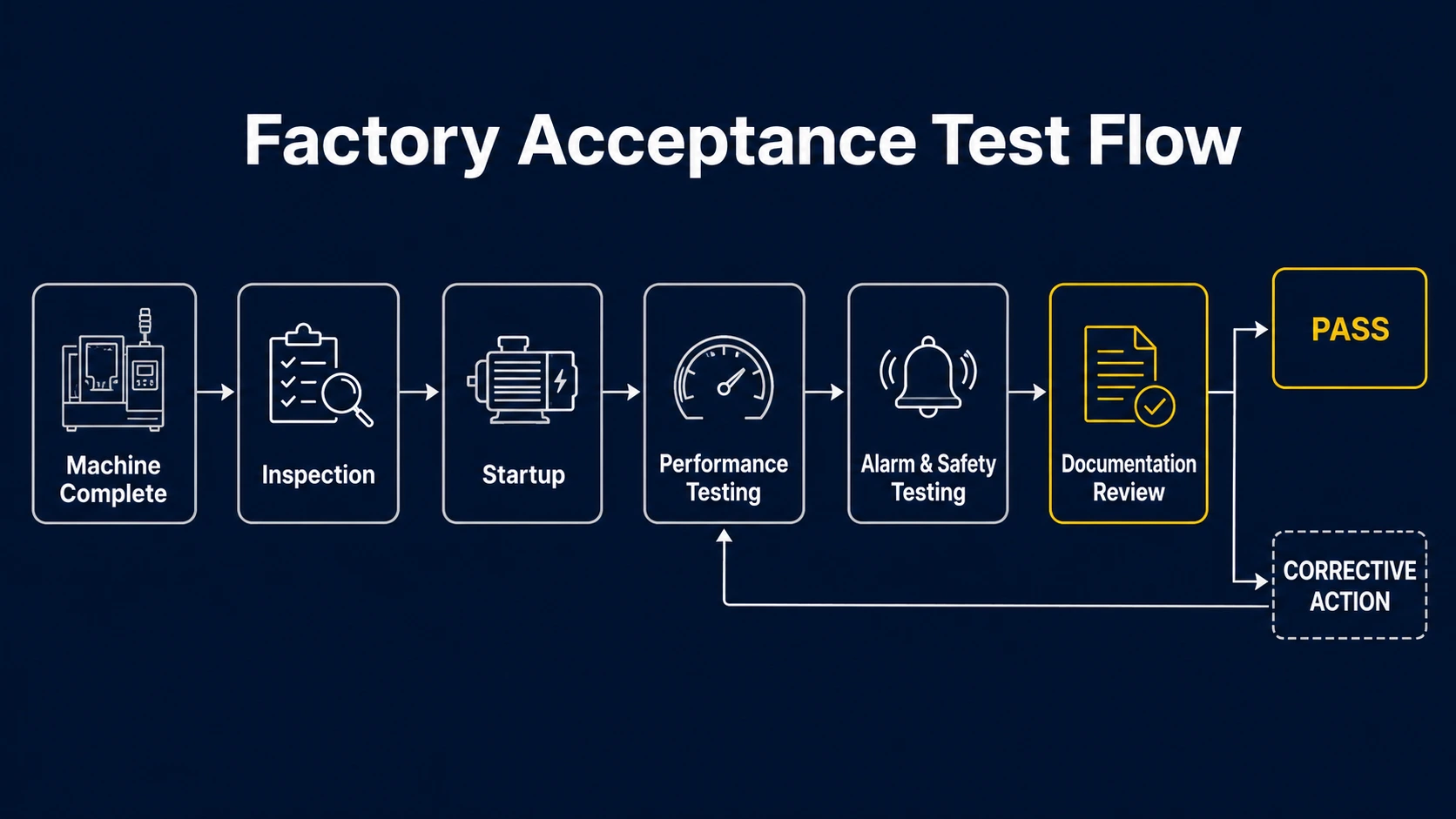 Teste de aceitação em fábrica de máquinas industriaisAprenda a planejar e realizar um Factory Acceptance Test para máquinas industriais, incluindo protocolos, instrumentos, testes funcionais, testes de desempenho, desvios e liberação para embarque.Ler: Teste de aceitação em fábrica de máquinas industriais